Who We Are
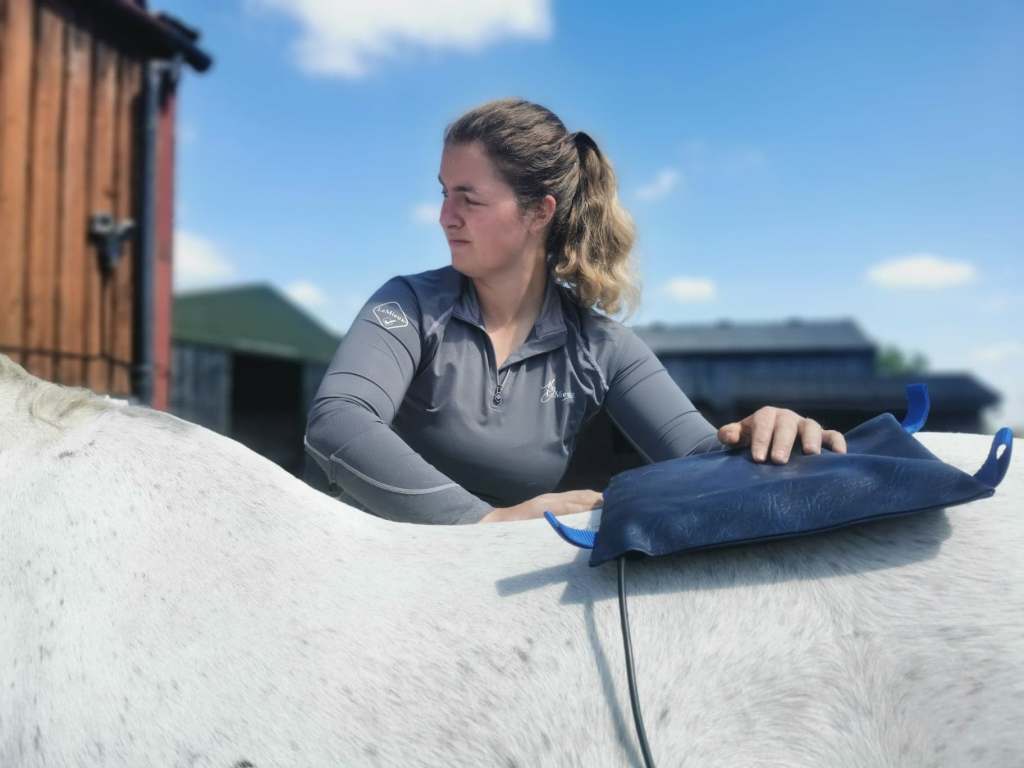
Holly Nicholson
Founded in 2022 | BSc (Hons) MSc Vet Physio
Having spent the majority of my life in the bloodstock industry and sharing my life with springer spaniels, my passion for physiotherapy was sparked early on. Seeing firsthand how targeted physical therapy transforms movement, performance and comfort inspired me to pursue this career to help all animals thrive in every stage of life.
In my equine practice, I focus heavily on young horse development and maintaining peak musculoskeletal health to support performance alongside the everyday ridden horse.
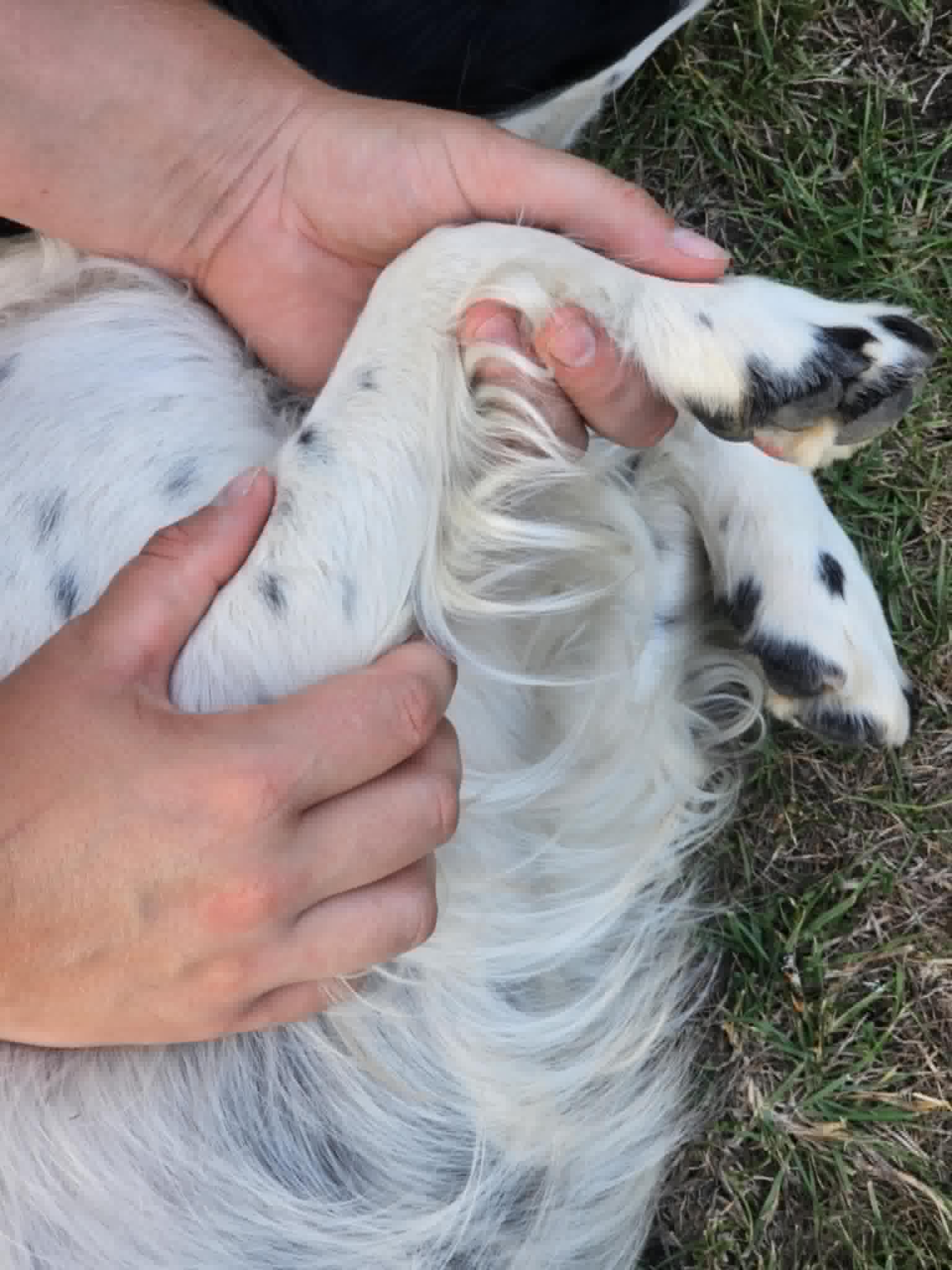
My canine cases are centred on guided rehabilitation for surgeries – such as TPLO and spinal procedures- as well as conservative pre-surgery conditioning, puppy growth support and gentle management for senior companions.
My training has allowed me to further assist my own animals well-being which I hope to be able to do for many others – with particular relevance to osteoarthritis, biomechanical imbalances which when treated early enough has the potential to decrease the risk of injuries, dorsal spinous process impingement (“kissing spine”) and sacroiliac joint dysfunction.
Regulated by AHPR | Insured with Balens
Our Services
What is Veterinary Physiotherapy?
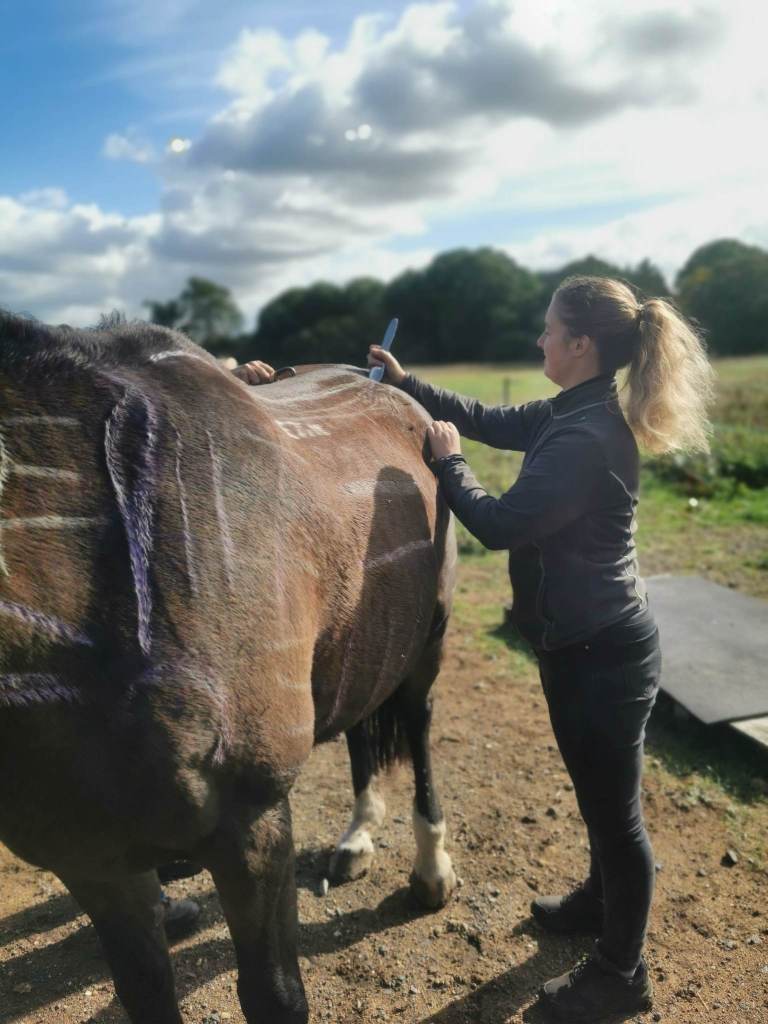
The use of physiotherapy, alongside Veterinary treatments and supervisions, is used as part of a holistic health routine of your dog or horse. The practice of veterinary physiotherapy is supported extensively through scientific research and can benefit any animal whether they are in post-injury rehabilitation or just simply a maintenance MOT to prevent injury in the first place.
The physiotherapist has a range of manual techniques and electrophysical agents to improve the wellbeing of your animal by decreasing pain and improving tissue functionality.
Any animal can improve from physiotherapy sessions and is not solely for the performance animals as everyday stressors can have as much of an effect as that of high performance influences when these occur in ill-functional manor.
Specialised equine and canine physiotherapy is dedicated to optimal movement, recover and long-term vitality. From supporting young racehorses through early musculoskeletal development to rehabilitating post-surgical canine cases; every treatment plan is tailored to the individual.
Whether helping young animals build a strong physical foundation and optimising performance, guiding complex surgical recovery or keep senior animals comfortable and mobile; targeted physiotherapy supports your animal at every stage of life.
The aims of physiotherapy
- Restore and optimise function
- Encourage pain free mobility
- Promote healing
- Improve recovery following injury or surgery
- Enhance performance

Rehabilitation
Targeted therapy to support recovery from injury or surgery; managing pain and restoring strength, mobility and confidence
Performance
Proactive conditioning with movement optimisation to improve athletic efficiency, balance and peak physical potential

Longevity
Ongoing routine maintenance and joint care designed to keep your animals comfortable, happy and active for years to come.
Equine Physio
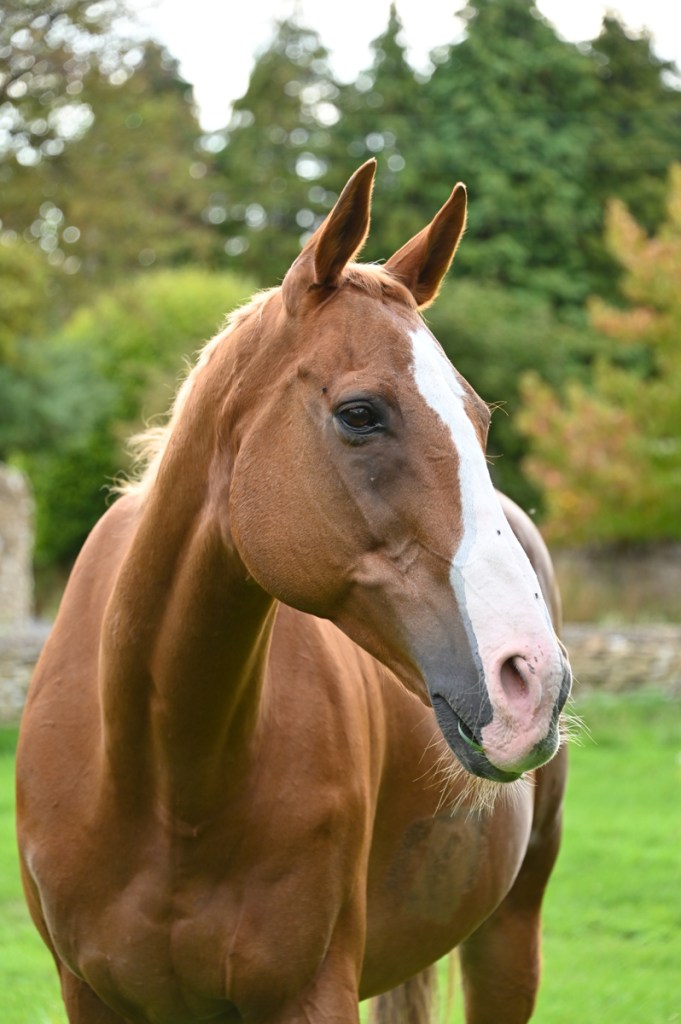
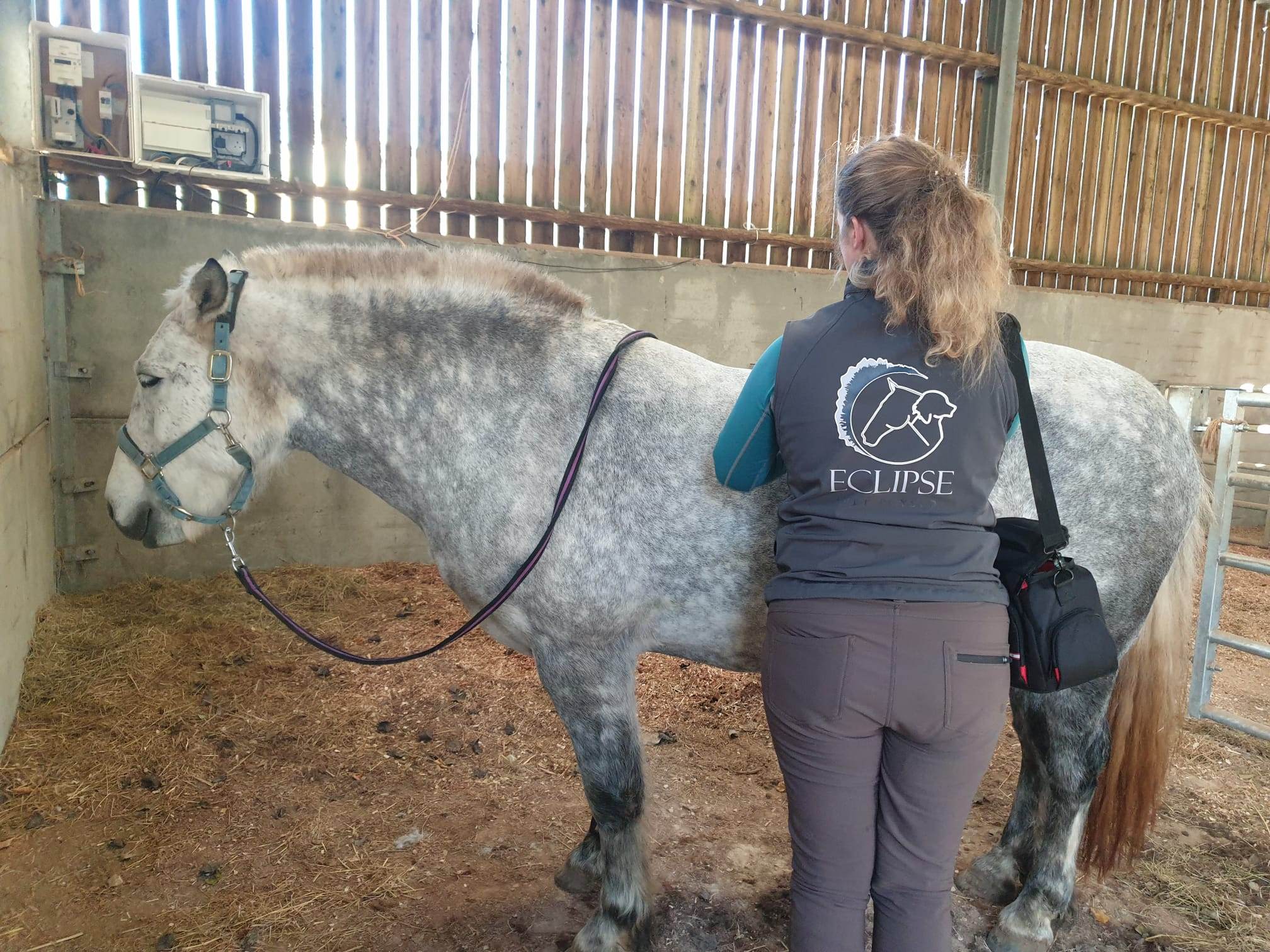
Targeted physical care designed for every horse; with a strong focus on supporting young racehorses through early development and the initial stages of their careers.
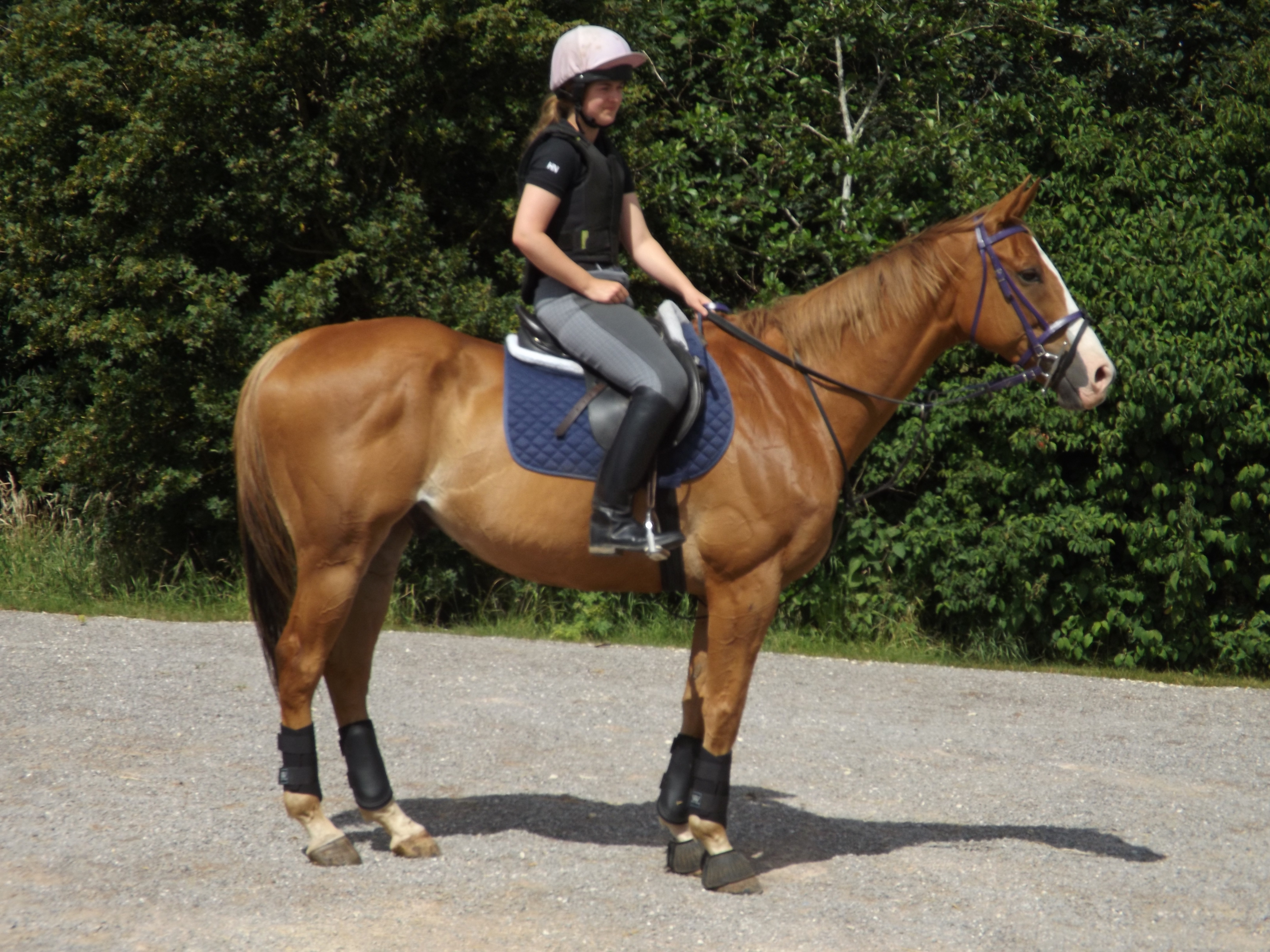
Performance optimisation and routine maintenance to support the everyday ridden horse with tailored therapy to promote balance, strength and long-term joint health.
Canine Physio
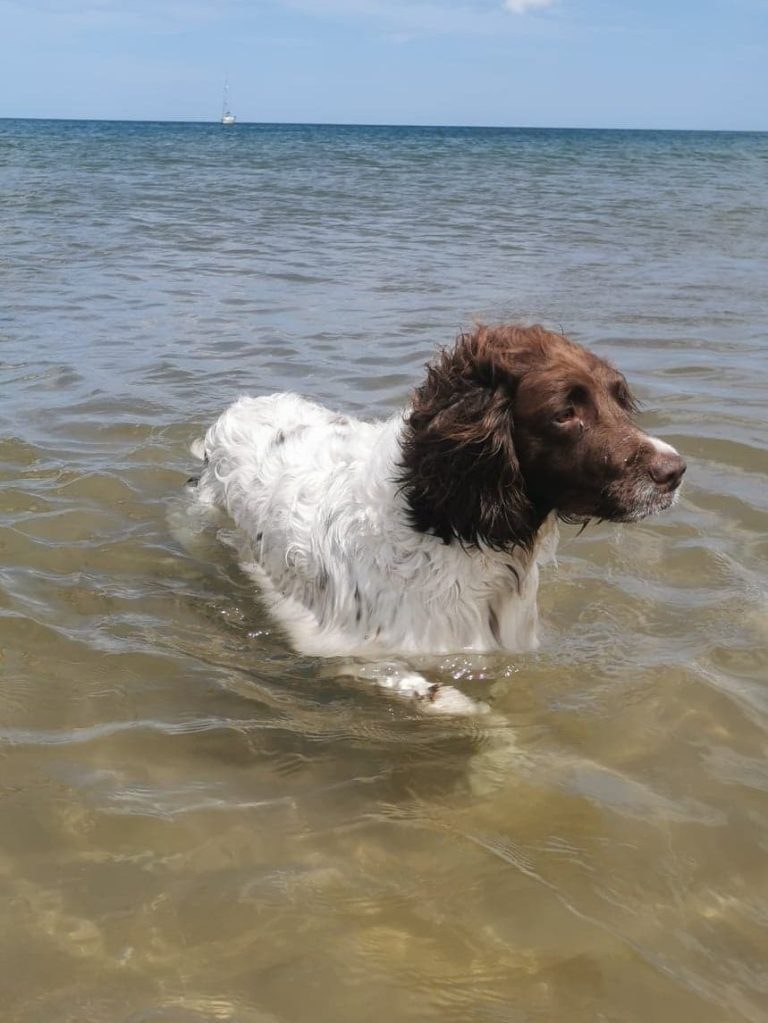
Dedicated rehabilitation and mobility support for dogs of all ages. Focusing on post-surgical recovery (including TPLO and spinal cases), proactive pre-op strengthening, growth support for puppies and gentle, continuous arthritis management for senior companions to keep them moving comfortably.
* Other small animals are also included in my practice – cats, rabbits and all others – everyone sometimes needs a little TLC
Unwind | Balance | Nurture | Preserve
The Initial Physiotherapy Process
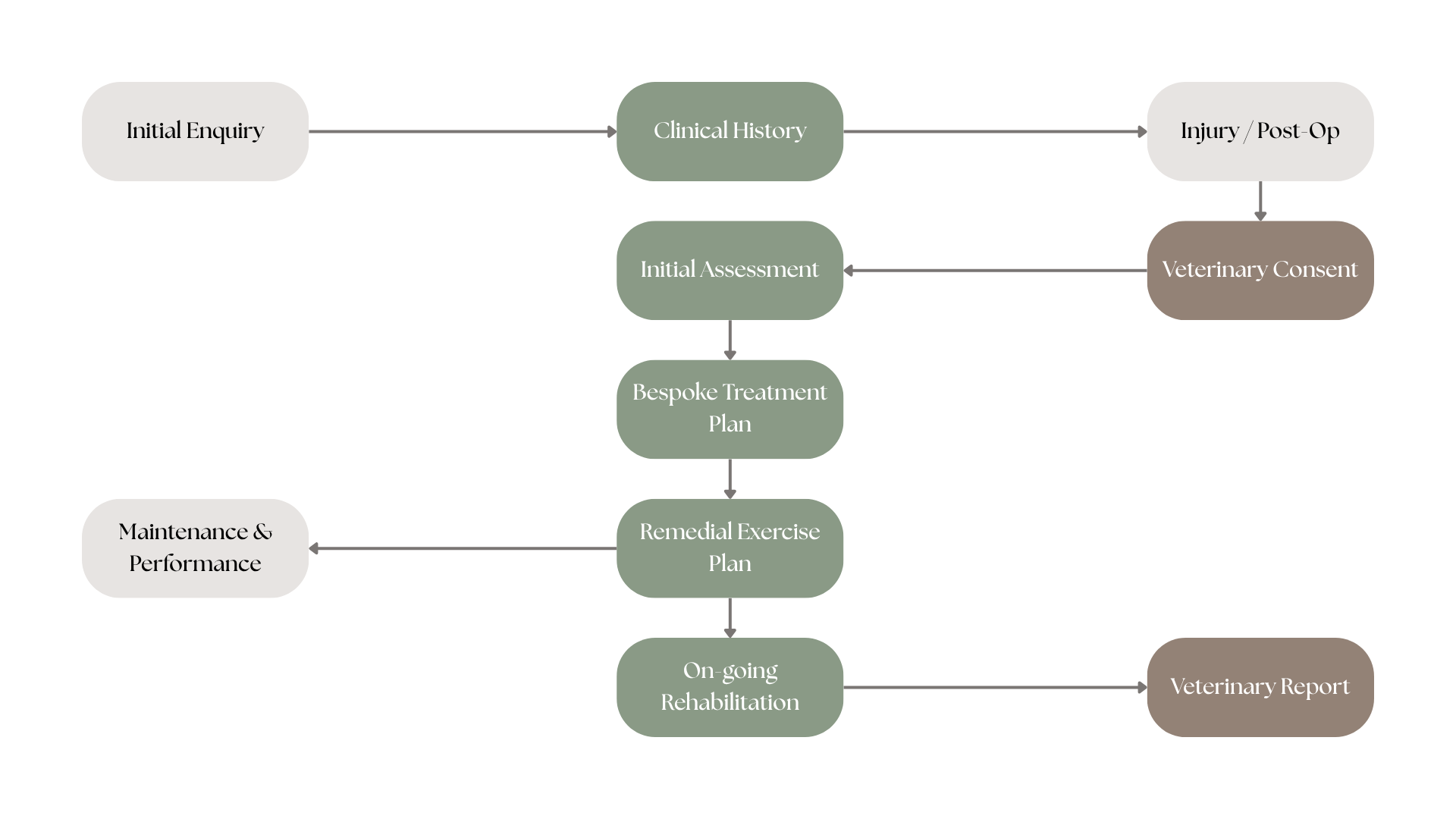
After the initial enquiry is made then we need to determine whether the animal is a maintenance case or rehabilitation case
Under section 19 of the Veterinary Surgeons Act (1966) any treatment for animals under current Veterinary Care required prior consent from the Surgeon before any supplementary treatments can occur
This will protect your animal so the treatment is more thorough and targeted to their needs
Clinical history is determined using the intake and conditions forms which can be found on the individual service pages.
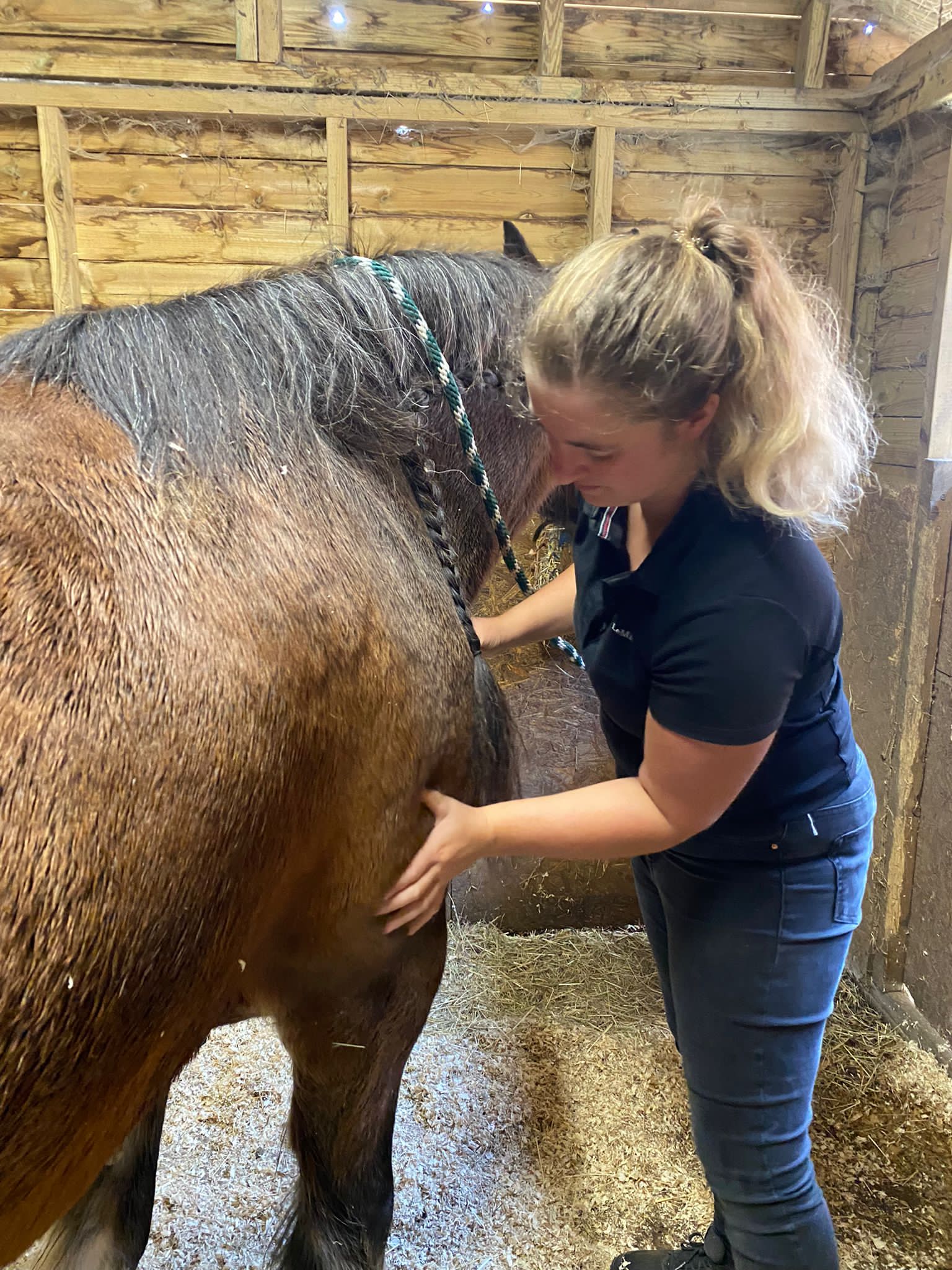
The assessment will involve owner consultations, gait & biomechanical analysis, a full body palpation and range of motion assessment before a targeted treatment which can include: manual therapies, myofascial release therapies including the Fascial Edge Tool for horses, Electrophysical Agents and remedial exercises
Afterwards, techniques and specific exercises will be advised to you, the owner, that will engage your animal to work towards improved functionality to decrease the potential for discomfort to return and improve performance.


Veterinary Consent
Veterinary Physiotherapists’ work concerns section 19 of the Veterinary Surgeons Act (1966) regarding the treatment of animals by “unqualified” person including supplementary Schedule 3 Part 1 where treatments allowable by the unqualified (deemed the unqualified as they are not registered to the Royal Veterinary College of Surgeons [RVCS]); later clarified in Veterinary Surgery (Exemptions) Order (2015) which details specifically about physiotherapy – whereby any treatment undertaken by a physiotherapist needed prior Veterinarian consent.
Update 20/1/21: RVCS updated clarification on when veterinary permissions for physiotherapy treatment to amend that maintenance work on animals does not need a veterinarian’s permission as previously needed.
Any session relating to diagnosed conditions in response to rehabilitation will require Vet consent – forms for this can be found on the relevant species pages. These can be sent to your Vet by yourself or the therapist in order to attain the whole picture of the animal and the ability to work as effectively as possible for each case.

